

Transportation & Infrastructure
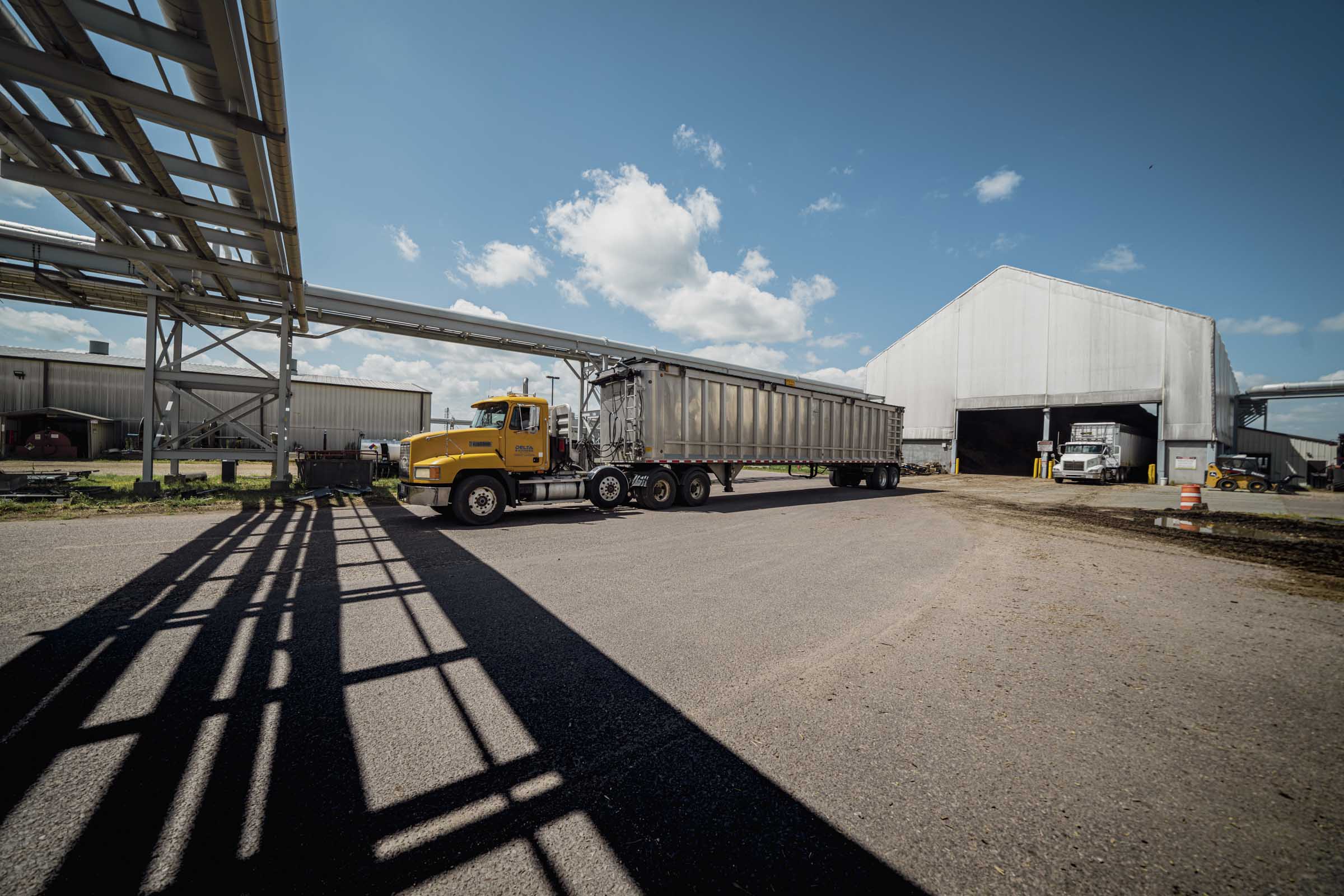
Connected At The Core Of The Country
South Dakota is at the heart of the United States in the most literal sense. Home to the geographical center of the country, South Dakota companies have swift access to all major U.S. regions thanks to a robust network of highways and railroads. Apart from being just a short distance from several major metros, seven commercial airports make it easy to stay globally connected while remaining locally invested. And with 82,501 miles of roadway to our name, a reliable system of telecommunications support ensures that companies are always connected wherever they operate.
Highways
Hit the road in South Dakota and you’ve got your pick of destinations. With two major interstates, there’s no place you can’t go from the geographical core of the United States. I-90 runs east and west, while I-29 flanks the eastern part of the state from the north to the south. Three high-priority corridors play a role in our extensive network of roads which helps keep consumers connected to South Dakota goods and products:
- Corridor 23, begins in Laredo, Texas and runs north through the eastern part of the state up to the Canadian border. I-29 which runs through Sioux Falls is part of this highway system.
The Heartland Expressway connects Rapid City in the western part of the state to Denver. When construction on this corridor is complete, this four-lane highway will directly connect western South Dakota and Texas.
The Theodore Roosevelt Expressway starts in Rapid City and takes drivers north to North Dakota, Montana, and the international border with Canada.
South Dakota ranks fourth best in urban pavement conditions, eighth best in rural pavement conditions, and fifth best (lowest) in urbanized area congestion.
Distance to Nearest Major Metros
Chicago, IL: 897mi to Rapid City, 576mi to Sioux Falls
Denver, CO: 396mi to Rapid City, 723mi to Sioux Falls
Kansas City, MO: 713mi to Rapid City, 369mi to Sioux Falls
Minneapolis, MN: 568mi to Rapid City, 268mi to Sioux Falls
Omaha, NE: 510mi to Rapid City, 185mi to Sioux Falls
